
 702-564-6697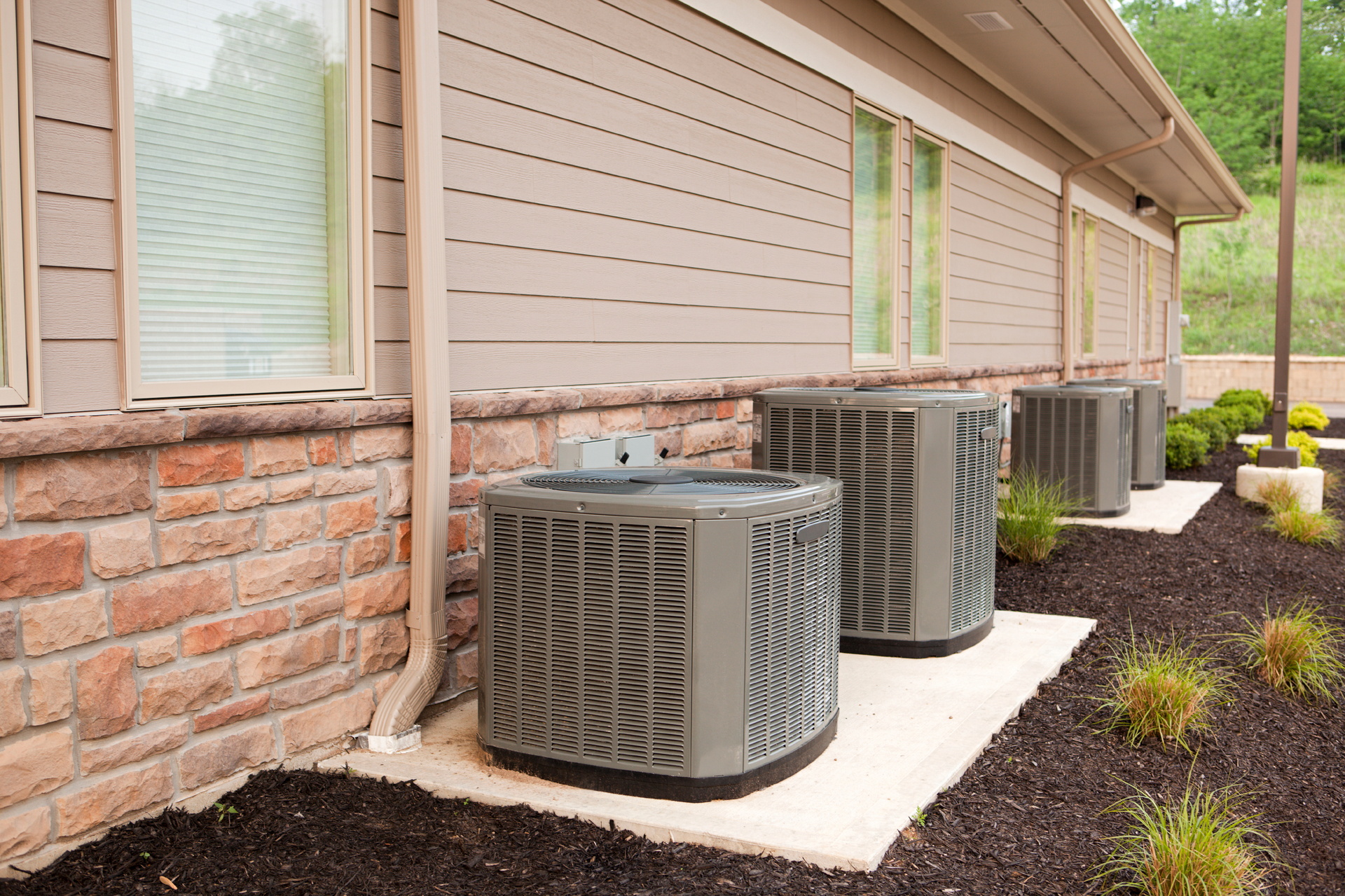
Each year around springtime, thousands of people in Las Vegas inspect their air conditioners for any damage that they might have received. This can also be a good time to inspect the system for its condition, evaluate how efficient it is, and even think about its age in relation to how well it’s working. It’s important to evaluate the entire system to ensure all components are functioning properly. Considering the typical age range of a central air conditioning unit can help determine when heating replacement is necessary, as most units have a lifespan of 10-15 years. Newer models often offer higher efficiency ratings, updated features, and better warranty coverage, which can lead to long-term savings and peace of mind. Regular inspections of older air conditioning systems are particularly advisable to determine if they need replacement.
All of these factors are important because an air conditioner that’s inefficient or problematic will need repairs. But some of these symptoms have one cost-effective solution that’s better than repairs, and that’s air conditioning replacement in Las Vegas, NV. Sometimes, replacing the entire hvac system, rather than just one component, can provide better long-term performance and energy efficiency. The HVAC replacement process typically involves removing the old heater or air conditioning system, installing the new unit, and thoroughly testing the system to ensure proper operation. In Southern Nevada, split-system heat pumps must meet minimum efficiency ratings of 15.2 SEER2 and 7.8 HSPF2. Choosing systems with high SEER2 and HSPF ratings is important for achieving lower utility bills and better overall performance. We offer affordable prices and are transparent about costs with no hidden fees.
Repair or Replace: Start With Maintenance
In the scorching desert climate of Las Vegas, keeping your air conditioning system in top shape isn’t just a luxury—it’s a necessity. Regular AC maintenance is the key to ensuring your air conditioner runs efficiently, delivers reliable cooling, and stands the test of time. By scheduling routine check-ups for your AC unit, you can catch small issues before they turn into costly repairs, keep your power bill in check, and enjoy better indoor air quality throughout your home. Scheduled tune-ups not only improve efficiency but also extend the lifespan of HVAC systems. Regular maintenance is essential for maintaining the energy efficiency of your air conditioning system, helping you save on energy costs and ensuring optimal performance. Whether you live in North Las Vegas, Spring Valley, or anywhere in the Las Vegas Valley, investing in AC maintenance means fewer emergency AC repairs and a more comfortable living environment. Plus, a well-maintained air conditioning system helps improve indoor air quality, making your home a healthier place for everyone. Don’t wait for the heat to hit—regular maintenance is your best defense against the challenges of the Las Vegas desert.
Know Your AC System Before Deciding
Knowing how your air conditioning system works can make all the difference when it comes to keeping your home cool and your utility bills low. Your AC system is made up of several important parts, including the compressor, condenser coils, evaporator coils, refrigerant, and the outdoor unit—which is responsible for releasing or absorbing heat outside your home as part of the cooling process. If any of these components start to fail, you might notice your air conditioner struggling to keep up, making strange noises, or even leaking. These warning signs are your cue to schedule an AC repair before things get worse. In Las Vegas, where the heat can be relentless, a reliable air conditioning system is essential for comfort and safety. By understanding the basics of your AC system and staying on top of regular maintenance, you can avoid unexpected repairs, keep your cooling system running smoothly, and make smarter choices about AC services—whether you need a quick repair, a full replacement, or just a tune-up. Upgrading your system may also involve utilizing existing ducts to improve efficiency and reduce installation costs. For best performance, HVAC systems should be serviced at least twice a year. When considering a full replacement or tune-up, it’s important to prepare for hvac installation and understand the process involved.
Understanding Heat Pumps
Heat pumps are quickly becoming a top choice for homeowners looking to upgrade their home heating system with something that’s both energy efficient and versatile. Unlike traditional systems that generate heat by burning natural gas or oil, a heat pump works by transferring heat from one place to another—meaning it can both heat and cool your home using far less energy. This makes a heat pump system an excellent solution for year-round comfort and long term energy savings.
There are several types of heat pumps to consider, each with its own advantages. Air-source heat pumps are the most common, drawing warmth from the outside air—even in cooler temperatures—to heat your home, and reversing the process to provide cooling in the summer. Ground-source (or geothermal) heat pumps tap into the stable temperatures underground for even greater energy efficiency, while hybrid heat pumps combine technologies to deliver optimal performance in a variety of climates.
One of the standout benefits of installing a heat pump is its ability to improve indoor air quality. Because heat pumps don’t rely on combustion, there’s no risk of carbon monoxide or gas leaks, and they help circulate and filter air throughout your home. This can be especially beneficial for families concerned about allergies or respiratory issues.
While the upfront installation costs for a heat pump system can be higher than those for a standard gas furnace or central air conditioning unit, the investment often pays off through lower energy bills and fewer costly repairs over time. Many homeowners also qualify for tax credits and incentives when they choose an energy efficient heat pump, helping to offset the initial cost.
Heat pumps can be used as a standalone solution or paired with a natural gas furnace or oil furnace for a dual-fuel system, ensuring reliable heating even on the coldest days. Professional installation is key—an experienced HVAC professional will perform a load calculation to ensure your new unit is properly sized for your home, maximizing efficiency and comfort.
If you’re looking to reduce your carbon footprint, improve indoor air quality, and enjoy consistent heating and cooling, a heat pump system is a smart, future-ready choice. With the right system and expert installation, you’ll benefit from lower utility bills, fewer repairs, and a more comfortable home all year long.
Evaluating the Cost of Replacement
When it comes time to replace your heating system, understanding the full scope of costs involved is crucial for making a smart investment. The price tag for a new system depends on several factors, including the type of heating system you choose—whether it’s a heat pump, gas furnace, or another option—the size of your home, and the complexity of the installation. For example, a heat pump system may have higher upfront installation costs compared to a traditional gas furnace, but it can deliver significant long-term energy savings and help improve indoor air quality.
It’s also important to factor in labor costs, any necessary upgrades to your existing ductwork or electrical system, and the potential for additional features that enhance comfort and efficiency. Don’t forget to explore available tax credits and rebates for energy efficient systems, which can help offset the initial investment. Consulting with an experienced HVAC professional is the best way to assess your current system, identify any underlying issues, and receive a detailed estimate that covers all aspects of the replacement process. By considering both the immediate and long-term costs, you can choose a heating system that fits your budget, meets your home’s needs, and delivers reliable performance for years to come.
Energy Efficient Solutions
Upgrading to an energy efficient heating system is one of the smartest ways to lower your energy bills and reduce your home’s carbon footprint. Modern heat pump systems are a popular choice, offering both heating and cooling capabilities while using far less energy than older models. High-efficiency gas furnaces, radiant floor heating, and even solar-powered systems are also excellent options for homeowners looking to maximize comfort and savings.
When selecting a new system, it’s important to consider your home’s insulation, window quality, and the condition of your ductwork to ensure your new unit operates at peak efficiency. Many energy efficient systems qualify for rebates or special financing options, making the upfront installation costs more manageable. By investing in an energy efficient system, you’ll enjoy long term energy savings, improved indoor air quality, and a more comfortable home environment—all while doing your part to minimize your carbon footprint. Whether you’re replacing an old furnace or installing a new heat pump, choosing the right system and working with a trusted HVAC professional can make all the difference.
Using a Point System to Decide AC Replacement
If you’re a fan of the UNLV Rebels, then you’re probably the prime candidate for using the point system when evaluating your air conditioner. But these points don’t operate like basketball, they’re more like golf. The more points you have on this scale, the more likely it is that you need an air conditioning replacement. Each problem nets a certain amount of points.
When evaluating your system, keep in mind that most furnaces typically last between 20 and 30 years. If your unit is approaching this age range or requires frequent repairs, it may be time to consider a replacement.
So, follow along and see how many points you rack up and call us for an appropriate solution. When deciding between repair and replacement, it’s important to consider your home’s specific heating needs to ensure you get the most efficient and reliable system for year-round comfort.
Don’t forget to factor in the overall costs of repair versus replacement, including installation, ongoing energy expenses, and potential long-term savings, before making your decision.
Age: Four Points
The age of your air conditioner is often going to make or break the decision between getting it fixed or getting it replaced. If your air conditioner is older than 10 years old, which typically exceeds the recommended age range for most AC units (usually 10-15 years), then it’s likely outdated compared to other systems that are available and is a strong indicator that heating replacement should be considered. An AC that’s 10+ years old nets you four points on the scoreboard.
Inefficiency: One Point
If your air conditioner runs up the energy bill every month, then it’s likely inefficient. This can sometimes be alleviated by repairs, but often is a sign that your system needs an upgrade. An inefficient air conditioner will net you one point.
Frequent Problems: Two Points
Frequent problems can be tricky. On one hand, a repair might fix them one at a time, but the frequency by which you get these repairs could be a dealbreaker. Air conditioners should only require a repair every once in a while. Yearly or frequent repairs net you two points. If you find yourself needing furnace repair often, it may be more cost-effective to consider heating replacement instead of continuing with repeated repairs.
Poor Comfort: One Point
Simply put–if your air conditioner can’t keep you comfortable on a hot day, and it’s not delivering consistent warm air throughout your home, then something is wrong. This might be fixable with a repair, or if it’s occurring in conjunction with some of the other things on this list, it could be a sign of a larger problem. Poor comfort nets you one point.
A Strange Noise: One Point
Unusual noises can be unnerving and a sign that something is seriously wrong. Noises such as banging, screeching, or popping can signal serious issues with your system. If your air conditioner makes a loud or uncomfortable noise when it runs, you get one point.
Final Decision: Repair vs Replace Score
Tally up your points to see whether you’d be better off making a quick call to us for repairs or if it’s time to schedule a replacement.
- 0 Points: You’re in the clear! Congratulations winner, enjoy another season with great AC.
- 1-4 Points: Things aren’t working out the way they should be, but a repair should do the trick. Schedule a repair with our team ASAP and book an hvac repair to address the issues.
- 5+ Points: Unfortunately, in this situation a replacement is your best bet. Don’t worry, we’ll make sure you’re happy with your new AC—consider hvac replacement for optimal performance.
Upgrading to a new furnace can provide improved efficiency and reliability.
Regardless of how you scored, it was a good game! For being such a good sport, we’ve decided to include $1000 off your next AC installation, including a 10 year warranty, 10 year membership to the Comfy Club, and 10 Year financing options.
Potential Risks and Consequences
Delaying furnace replacement or ignoring the warning signs of a failing heating system can lead to serious risks for your home and family. A malfunctioning furnace can produce dangerous levels of carbon monoxide, cause gas leaks, or result in costly repairs down the line. You might also experience uneven heating, cold spots, and rising energy bills as your old system struggles to keep up. These issues not only impact your comfort but can also increase your carbon footprint and contribute to poor indoor air quality.
Strange noises, frequent repairs, and spikes in your energy bills are all red flags that your heating system may be on its last legs. Investing in a professional installation of a new, energy efficient furnace or heat pump system ensures your home stays safe, comfortable, and cost-effective. Regular maintenance and timely furnace replacement are essential for preventing unexpected breakdowns, improving indoor air quality, and securing long term energy savings. Don’t wait for a small problem to turn into a major headache—take action to protect your home, your wallet, and your peace of mind.
How to Find a Trusted AC Contractor
With so many AC companies in Las Vegas, finding a reliable HVAC contractor can feel overwhelming. The right provider will have certified technicians who are skilled in everything from air conditioning repair and heating repair to indoor air quality solutions, duct cleaning, and central heating system installation and replacement. Look for a company that offers upfront pricing, flexible financing options, and a commitment to exceptional customer service. Same-day service and emergency AC repairs are must-haves in the Las Vegas heat, so make sure your chosen provider can respond quickly when you need them most. Reading customer reviews and asking for recommendations can help you find a company with a proven track record. Whether you’re installing a new air conditioner, need heating services, or want to improve your indoor air quality, choose an HVAC contractor with experience in all types of HVAC systems—including heat pumps—to ensure your home stays comfortable year-round. Installing a ductless HVAC system can also provide comfort control without the need for ductwork. Mini split and ductless mini splits are efficient options for homes without existing ductwork.
A qualified provider should also have experience with electric furnace, natural gas, natural gas furnace, and oil furnace systems.
What to Expect After AC Installation
Once your new air conditioning system is installed, ongoing support is essential to keep it running at peak performance. A reputable HVAC contractor in Las Vegas will offer comprehensive post-installation services, including routine maintenance checks, prompt AC repairs, and access to replacement parts when needed. During maintenance checks, regular inspection of the heat exchanger is crucial for both safety and efficiency, as issues like cracks can lead to dangerous gas leaks or reduced system performance. These services not only help your air conditioning system last longer but also improve indoor air quality and prevent unexpected breakdowns. Many companies also provide additional solutions like plumbing services, water heater installation, and new thermostat upgrades to cover all your home comfort needs. In the harsh desert climate of Las Vegas, having a trusted partner for post-installation care means you can relax knowing your investment is protected. Look for a provider that delivers affordable solutions, employs highly trained technicians, and puts customer satisfaction first—so your home stays cool, comfortable, and worry-free all year long. Air conditioning installations often come with warranty options that guarantee performance. If you experience system downtime or need repairs, space heaters can be used as a temporary solution to maintain comfort until your main heating system is restored.
Frequently Asked Questions
Question: How do I decide whether to repair or replace my air conditioner?
Answer: To decide, look at your AC’s age, how often it breaks down, and repair costs compared with a new unit’s price. If repairs are frequent or costly, or the system is old and inefficient, replacement may be smarter for long-term comfort and savings.
Question: Does the age of my AC system matter when choosing repair vs replacement?
Answer: Yes, age matters. Units older than about 10 to 15 years often lose efficiency, need more repairs, and cost more to run. Older systems are usually better replaced than repeatedly repaired.
Question: Can frequent breakdowns mean it’s time to replace my AC?
Answer: Yes. If you’re calling for repairs often, the unit may be nearing the end of its useful life. Repeated fixes add up and replacement can offer better reliability and lower utility costs.
Question: How do energy efficiency and utility bills factor into the decision?
Answer: Older ACs tend to be less energy efficient, meaning higher cooling costs. Newer systems with higher SEER ratings can reduce energy use and save money in the long run.
Question: Is there a simple way to compare repair costs against replacement?
Answer: A common guideline is to compare repair costs with the price of a new unit. If a repair costs a large percentage of a new system’s price, replacement is often the more cost-effective choice over time.
When your HVAC system or plumbing isn’t looking so hot, it’s time to get Johnny On the Spot!