
 702-564-6697
If you’ve been noticing quirks, noises, or performance issues from your water heater lately, you might be wondering whether it’s nearing the end of its lifespan—and whether now is the time to plan for water heater replacement in Paradise, NV. With the holiday season bringing extra guests, dishes, laundry, and hot water demand, this is the worst time for a surprise failure. Understanding how long your system should last—and recognizing the warning signs—can help you avoid a costly, chaotic emergency.
How Long Do Water Heaters Typically Last?
A water heater’s lifespan depends heavily on the type of system, how well it has been maintained, and the quality of the water in your home. Here’s what homeowners can generally expect:
- Traditional Tank Water Heaters: 8–12 Years: Tank-style heaters work constantly to keep water hot and ready, so the tank gradually corrodes from the inside out. With proper maintenance—including flushing the tank and replacing the anode rod—you may get closer to the 10–12 year mark. Hard water can shorten that lifespan if left untreated.
- Tankless Water Heaters: 15–20 Years: Tankless models avoid the corrosion issues of a storage tank and only run when hot water is needed. They last significantly longer, but they still require periodic descaling and maintenance to reach their full potential. If your home has very hard water and you skip yearly service, the lifespan can decrease substantially.
5 Signs Your Water Heater Is About to Fail
Recognizing early signs of trouble can help you schedule water heater replacement on your terms—before a leak, flood, or total breakdown ruins your day (or your holiday plans).
- 1. Age of Water Heater: If your tank water heater is over 10 years old, or your tankless unit is past 15, keep a close eye on performance. The older it gets, the more likely a sudden failure becomes.
- 2. Rumbling, Knocking, or Popping Noises: These sounds usually indicate sediment buildup inside the tank. Over time, that sediment hardens, forces the system to work harder, and accelerates tank damage.
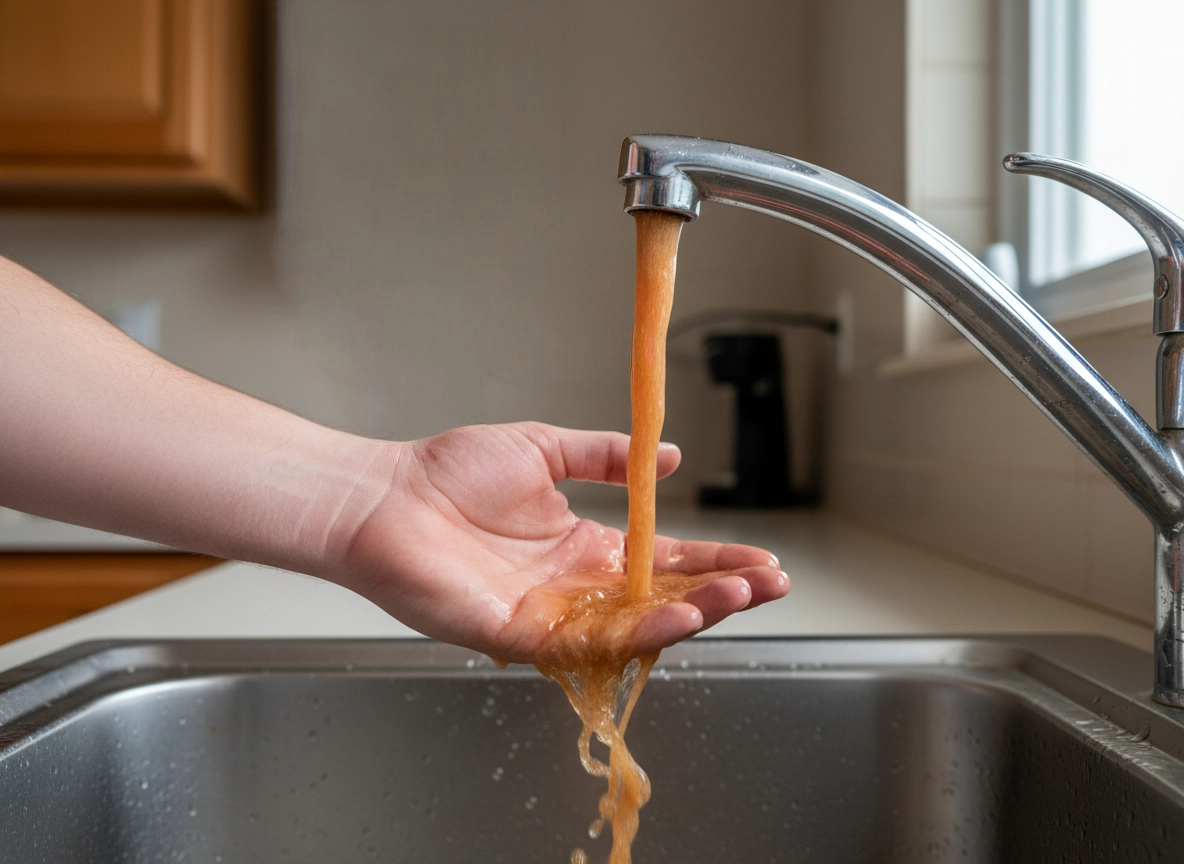
- 3. Rusty or Discolored Water: Rust-colored hot water suggests corrosion inside the tank itself—not good news. Once the interior begins rusting, failure is inevitable, often sooner rather than later.
- 4. Water That Won’t Stay Hot: If your hot water runs out quickly or fluctuates between hot and lukewarm, your heating element, burner system, or internal components may be deteriorating.
- 5. Leaks or Moisture Around the Base: Even small puddles signal a tank that is cracking or failing. Leaks never improve—they only get worse.
Why Proactive Replacement Saves Money
Waiting until your water heater completely fails can cost far more than planning ahead. Emergency replacements often happen at inconvenient times—nights, weekends, holidays—when scheduling is harder and the pressure to act fast leads to limited options.
Even worse, pouring money into repeated repairs for an aging system rarely pays off. Those repairs add up quickly, and older heaters often face failure shortly after a major fix anyway.
A proactive replacement means:
- No rush or stress
- Better choice of energy-efficient systems
- Lower long-term utility costs
- No risk of water damage from a catastrophic leak
As holiday schedules get busier and hot water use increases, now is an ideal time to consider the condition of your current system and plan ahead before issues escalate.
If your water heater is aging or showing signs of trouble, take action before it stakes a claim on your holiday budget and peace of mind.
When your HVAC system or plumbing isn’t looking so hot, it’s time to get Johnny On the Spot.